


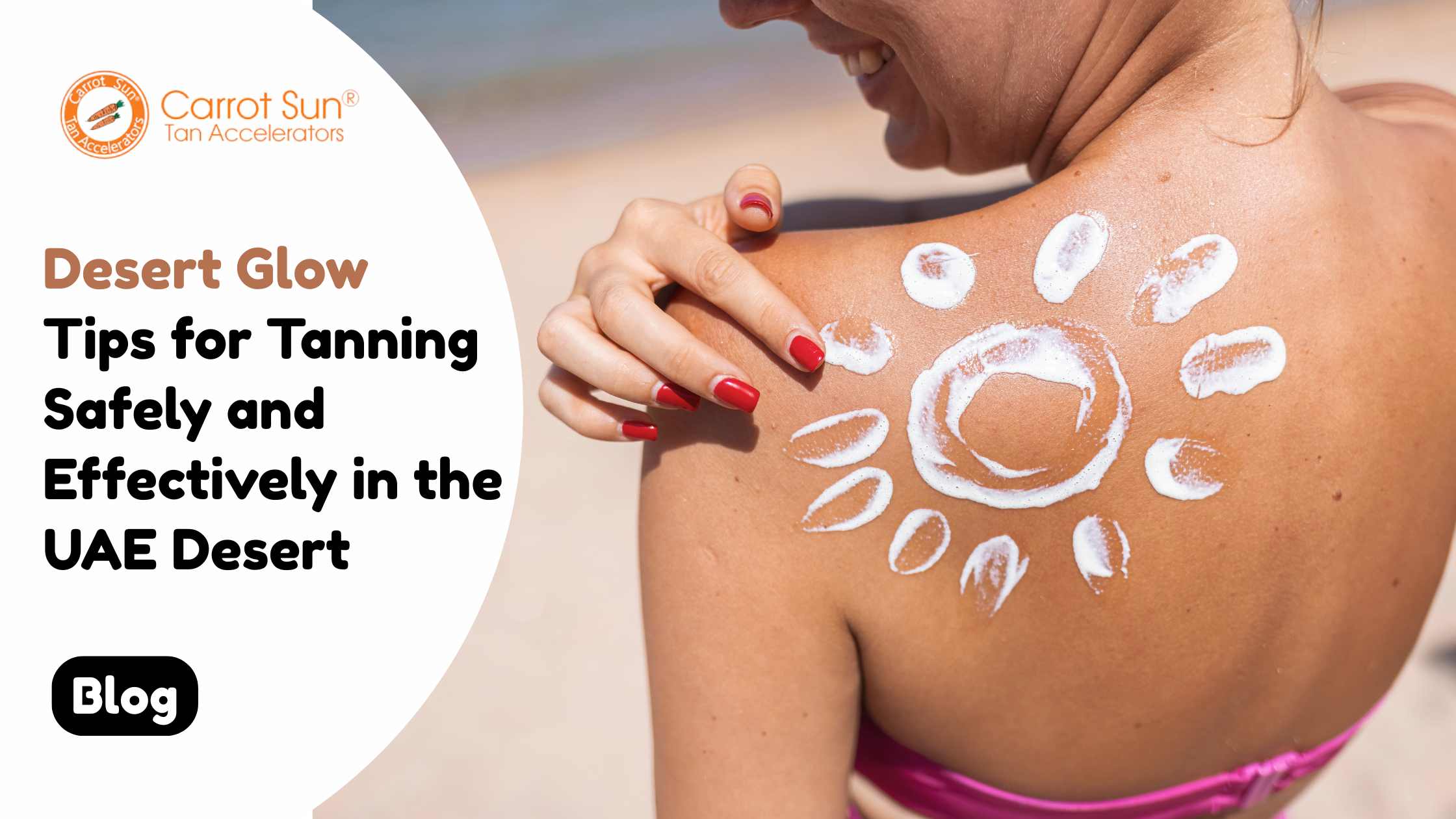
Desert Glow: Tips for Tanning Safely and Effectively in the UAE Desert
There’s something magical about the UAE desert — its golden dunes, endless sunshine, and that unmistakable warm glow. But when it comes to desert tanning, things are a bit more intense than your average beach session. The sun here is stronger, the air is drier, and your skin needs a little extra care to tan safely and beautifully.
Understanding Desert Tanning
Why the Desert Tan Hits Different
Desert tanning isn’t your typical sunbathing experience. The UAE desert’s dry heat and low humidity mean your skin loses moisture faster than usual. Plus, the UV index often climbs above 10 — meaning your skin can burn within minutes if unprotected. This makes proper preparation, hydration, and sun protection absolutely essential.
Desert UV Levels in the UAE
In the UAE, UV levels can range between 8–11 during midday hours. The safest time to tan is before 10 AM or after 4 PM. You can easily check daily UV levels using local weather apps. Below is a quick reference chart:
| Time of Day | UV Index | Tanning Safety |
|---|---|---|
| Before 10 AM | 5–7 | Safe with SPF |
| 10 AM – 3 PM | 8–11+ | Too Intense |
| After 4 PM | 5–6 | Ideal |
Always pair your tanning routine with a Carrot Sun SPF 30 Sunscreen for optimal skin safety.
Melanin & Tanning Science
Tanning happens when UV exposure stimulates melanin — your skin’s natural pigment. Oils like Carrot Sun Tanning Oil enhance this process by increasing melanin activation, helping you achieve a golden tone faster while keeping your skin nourished and hydrated.
Pre-Tanning Preparation
Exfoliate for an Even Base
Start your tanning prep by exfoliating one day before your session. Removing dead skin ensures an even, longer-lasting tan. Try a gentle sugar or coffee scrub, then moisturize overnight. Avoid exfoliating right before tanning — it may cause irritation under desert heat.
Apply SPF First
Yes, even before tanning! A thin layer of Carrot Sun SPF 30 Sunscreen protects against burns while allowing gradual, even tanning. For longer exposure, use SPF 50 for stronger protection.
Hydrate Inside & Out
Desert air pulls moisture from your skin quickly. Drink plenty of water and use a Cocoa Butter Tanning Cream before heading outdoors to lock in hydration and maintain skin elasticity.
How to Apply Tanning Oil for Desert Conditions
Step-by-Step Application Routine
- Start with clean, dry skin.
- Apply a light layer of Carrot Tanning Cream or Tanning Spray in circular motions.
- Focus on even coverage — missing spots lead to patchy color.
- Let the oil absorb for 10 minutes before stepping into the sun.
Focus on Key Areas
Pay special attention to areas like the shoulders, back of the neck, and legs — these get the most sun during desert activities. Reapply every two hours or after sweating.
Wait Before Exposure
Allow the oil to set before stepping into direct sunlight. This ensures maximum protection and better absorption for a deep, even tan.
During Tanning – Stay Safe in Desert Heat
Time & Position Rotation
Tan in short 15–20 minute sessions, alternating positions to avoid overexposure. This helps your skin tan gradually and evenly without risking burns.
Reapply Frequently
Desert heat causes faster sweat evaporation. Reapply tanning oil every 2 hours — or sooner if you’re wiping off sweat or sand.
Avoid Peak Heat (10 AM–3 PM)
Never tan during midday hours. UV radiation is strongest then, and dehydration risk is high. Schedule your desert tanning for early mornings or late afternoons.
Aftercare – Lock in Your Desert Glow
Cool Shower & Moisturize
After tanning, rinse with cool water to close pores. Follow up with Papaya Tanning Cream or Aloe Vera gel to calm and hydrate your skin.
Avoid Heat Stress
Skip hot showers, saunas, or tight clothes after tanning. Your skin needs time to breathe and recover its moisture barrier.
Maintain Glow
To keep your tan radiant longer, moisturize daily using Cocoa Butter Cream and avoid exfoliating for the first few days.
Desert Tanning vs Beach Tanning
| Factor | Desert | Beach |
|---|---|---|
| UV Index | Higher (8–11) | Moderate (6–9) |
| Humidity | Low | High |
| Risk | Dryness, dehydration | Saltwater irritation |
| Best Products | SPF Oil + Moisturizer | Standard Oil |
| Tan Duration | Quick but intense | Gradual and soft |
For deeper insight, check out our comparison of Tanning Oil vs Tanning Cream to see which suits your desert lifestyle best.
Common Mistakes to Avoid
- Skipping SPF — always use sun protection.
- Tanning during peak heat hours.
- Ignoring hydration — drink water constantly.
- Skipping exfoliation before tanning.
- Applying too much oil — a light layer is enough.
Recommended Carrot Sun Products for Desert Tanning
- Carrot Tanning Spray – lightweight, easy reapplication
- Papaya Tanning Cream – gentle for sensitive skin
- Carrot Sun SPF 50 – strong UV protection
Explore our full Carrot Sun Shop for desert-tested tanning oils and sunscreens made for the UAE climate.
FAQs
Can you tan in the desert safely?
Yes — with SPF protection and hydration. Avoid peak hours, use Carrot Sun Oil, and limit exposure to short sessions.
What’s the best time to tan in the UAE?
The safest and most effective time to tan is before 10 AM or after 4 PM when UV rays are moderate.
Can desert tanning damage skin?
Without SPF or moisture, yes. Always use sunscreen and follow with a hydrating cream like Papaya Tanning Cream.
What tanning oil is best for UAE desert?
Carrot Sun Oil blends hydration with melanin-enhancing ingredients for a fast, even tan.
How to keep tan longer?
Moisturize daily, drink water, and avoid exfoliating for 3–4 days post-tan to maintain your glow.
Conclusion
The desert may be fierce, but your glow can be fearless. With the right products, timing, and care, your tan can shine beautifully under the UAE sun — without the damage. Explore our Carrot Sun Shop and choose your perfect companion for a safe, radiant desert tanning experience.
About author

Add comment